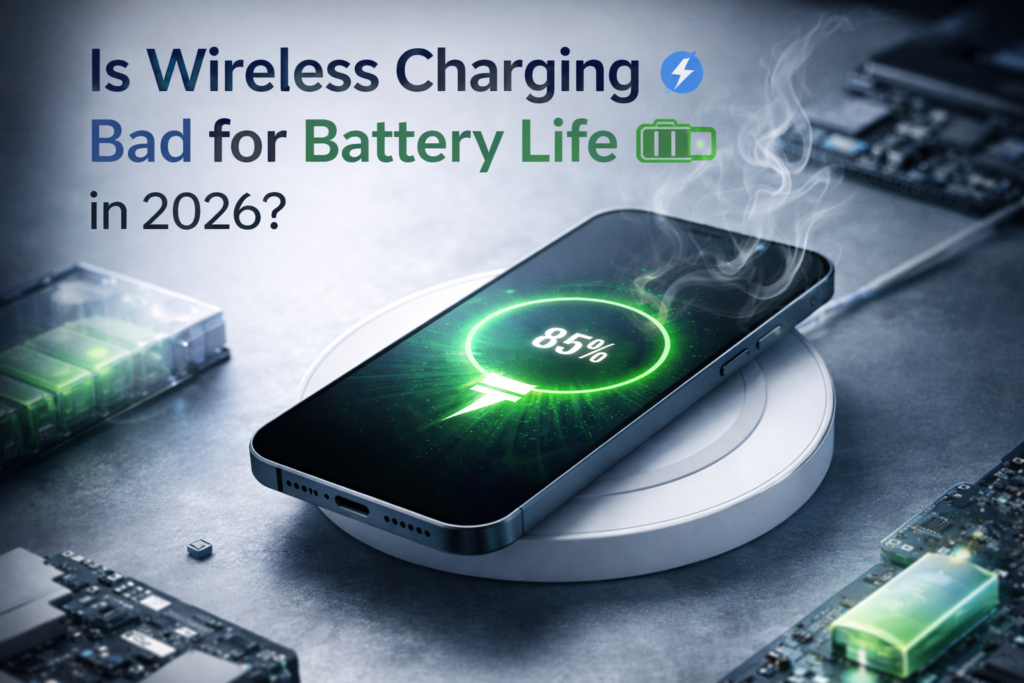
Wireless charging has become standard in modern smartphones, especially with Qi-certified chargers and MagSafe technology. But many users still ask: Is wireless charging bad for battery life in 2026?
In this complete guide, we’ll explain how wireless charging works, how it affects lithium-ion batteries, and whether it truly damages long-term battery health.
🔋 How Smartphone Batteries Actually Work
Most modern smartphones use
lithium-ion batteries
. These batteries degrade naturally over time due to heat, charge cycles, and aging.
Battery lifespan is mainly affected by:
- High temperature exposure
- Frequent full 0–100% charge cycles
- Fast charging stress
- Low-quality chargers
⚡ How Wireless Charging Works
Wireless charging uses electromagnetic induction to transfer energy from a charging pad to your phone. Instead of a cable, power flows through magnetic coils.
If you want a technical breakdown of fast charging systems, read:
How Fast Charging Works: Everything You Need to Know
🔥 Does Wireless Charging Produce More Heat?
Yes — wireless charging generally produces slightly more heat than wired charging. This happens because energy transfer through induction is less efficient than a direct cable connection.
However, modern certified chargers include temperature regulation and smart power management.
For a full comparison, see:
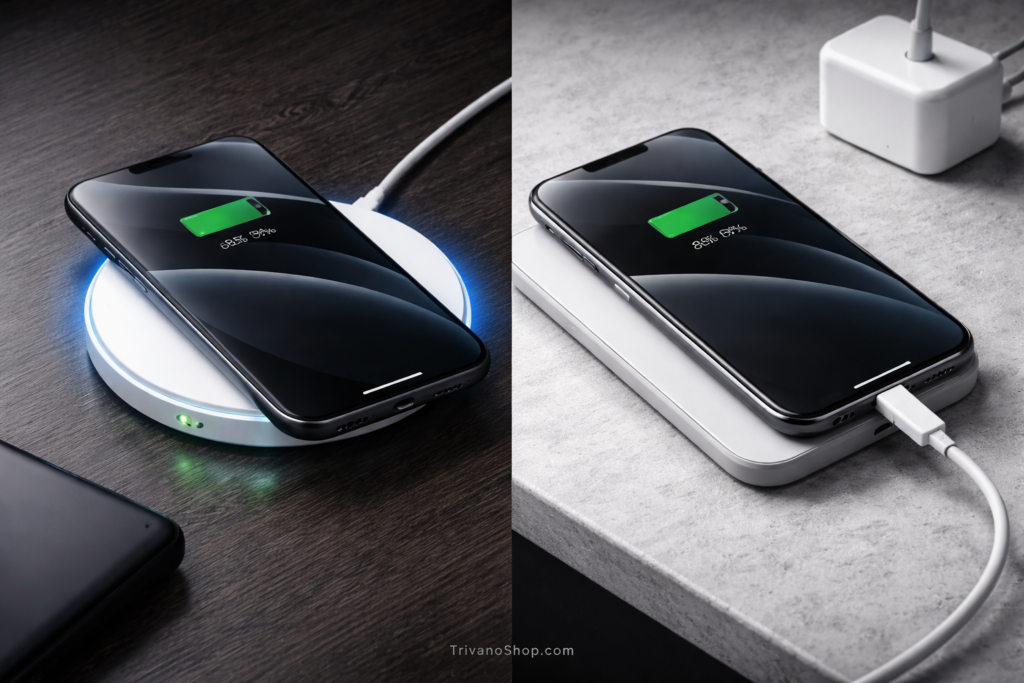
Wireless Charging vs Wired Charging: Which Is Better?
📊 Wireless vs Wired: Battery Impact Comparison
| Factor | Wired Charging | Wireless Charging |
|---|---|---|
| Speed | Very Fast (20W–100W+) | Moderate (10W–15W typical) |
| Heat Generation | Lower | Slightly Higher |
| Battery Impact | Safe if regulated | Safe if certified |
| Convenience | Requires cable | Very convenient |
🏆 Is Wireless Charging Actually Bad?
In normal daily use, wireless charging is NOT bad for your battery — as long as you use certified Qi chargers.
Battery wear happens mainly due to heat and charge cycles, not the charging method itself.
To maximize battery lifespan:
- ✔ Avoid charging to 100% constantly
- ✔ Keep your phone cool
- ✔ Use certified chargers
- ✔ Avoid very cheap charging pads
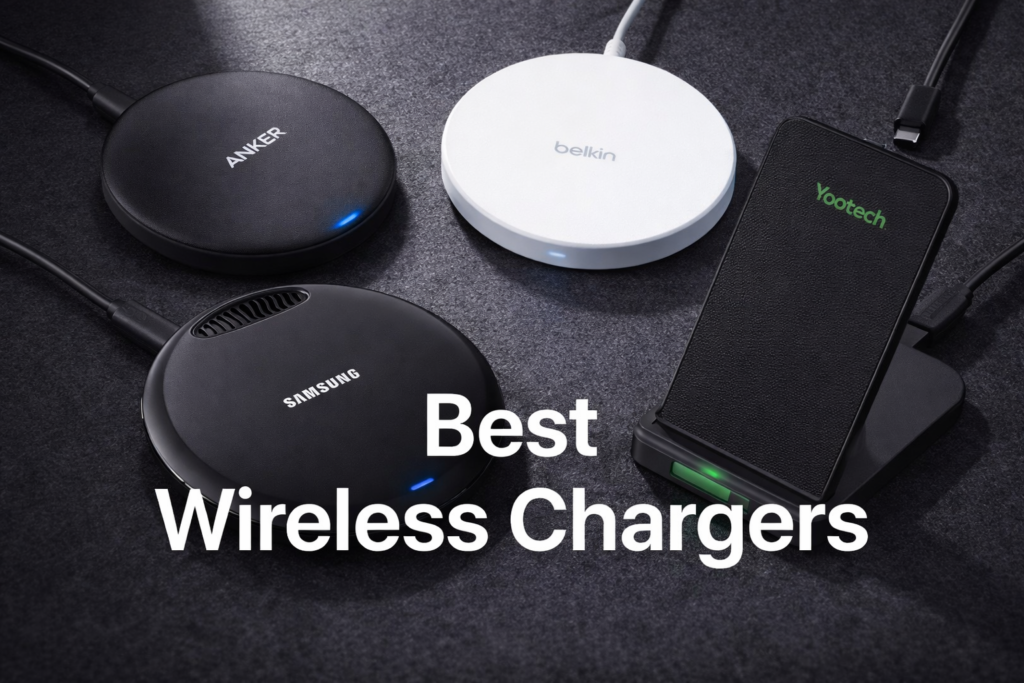
🔎 Best Wireless Chargers in 2026
If you want safe and efficient options, check our updated recommendations:
❓ Frequently Asked Questions (FAQ)
Does wireless charging reduce battery lifespan?
No. When using certified chargers, battery degradation is minimal and comparable to wired charging.
Is wireless charging slower than USB-C?
Yes. Wired USB-C charging (especially Power Delivery) is significantly faster than most wireless solutions.
Does wireless charging overheat phones?
Modern smartphones include thermal protection systems. Slight warmth is normal, but overheating is rare with certified chargers.
Is it safe to charge overnight wirelessly?
Yes. Most smartphones stop charging automatically when reaching 100% and resume when needed.
Should I use wired or wireless charging?
Use wired charging when you need speed. Use wireless charging for convenience and overnight charging.
Final Verdict (2026 Update)
Wireless charging is safe, convenient, and perfectly fine for everyday use. While it generates slightly more heat than wired charging, modern safety mechanisms prevent serious battery damage.
If you value speed → choose wired charging.
If you value convenience → choose wireless charging.
As an Amazon Associate, we may earn from qualifying purchases at no extra cost to you.