Charging technology has evolved rapidly over the past decade. As smartphones, laptops, tablets, and other electronic devices became more powerful, traditional charging methods were no longer sufficient. Users needed faster, safer, and more flexible charging solutions.
USB Power Delivery, commonly known as USB PD, was developed to meet these needs. In this article, we explain what USB Power Delivery is, how it works, and why it has become an important standard for modern devices
.Many modern 65W chargers support USB Power Delivery. See our comparison of the premium GaN charging options
What Is USB Power Delivery?
USB Power Delivery is a universal charging standard that allows devices to charge faster and more efficiently. Unlike older USB charging methods that delivered a fixed amount of power, USB PD can dynamically adjust power levels based on the needs of the device.
USB PD is commonly used with USB-C connectors and is designed to work across a wide range of devices, including smartphones, laptops, tablets, power banks, and monitors.
Why USB Power Delivery Was Created
Traditional USB charging was limited in both speed and flexibility. Early USB standards were designed primarily for data transfer, not for powering high-performance devices.
As device batteries grew larger and more powerful, manufacturers needed a charging standard that could safely deliver higher power without damaging devices. USB Power Delivery was created to solve this problem by providing controlled, intelligent power delivery.
How USB Power Delivery Works
USB Power Delivery works through communication between the charger and the device. When a device is connected, both sides exchange information to determine the optimal power level.
Instead of forcing a fixed amount of power, the charger supplies only what the device requests. This makes USB PD both efficient and safe.
USB Power Delivery Power Levels
USB Power Delivery supports multiple power profiles. These profiles define how much voltage and current can be delivered. Depending on the device, USB PD can supply low power for small accessories or high power for laptops.
This flexibility allows a single USB PD charger to be used for many different devices.
USB Power Delivery and Fast Charging
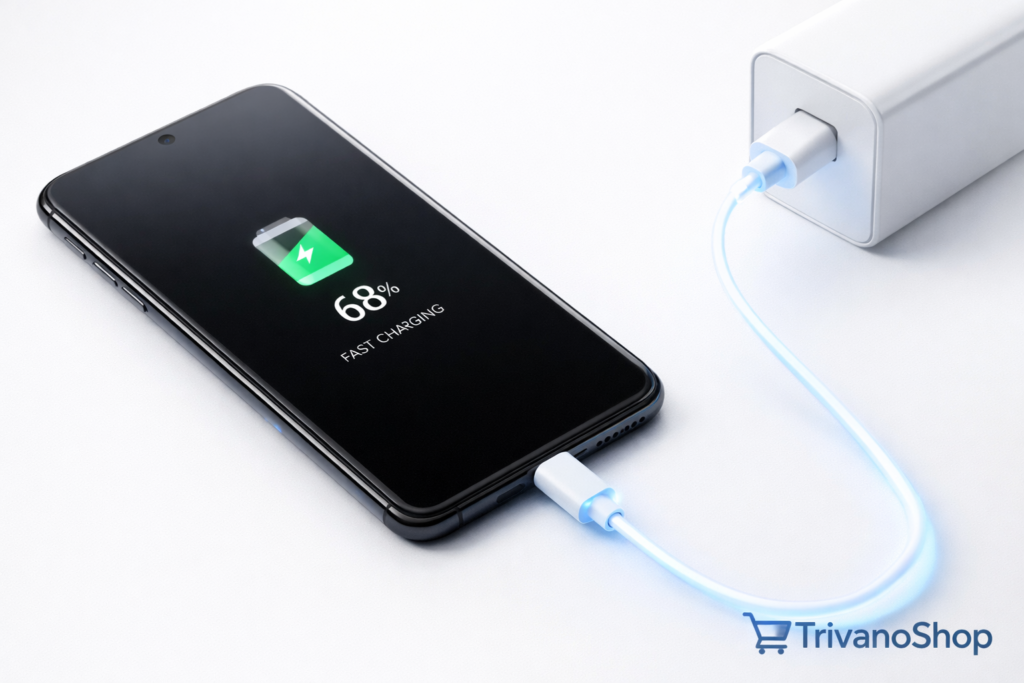
One of the main advantages of USB Power Delivery is fast charging. Devices that support USB PD can charge significantly faster than with standard USB chargers.
Fast charging is achieved by delivering higher power during the early stages of charging, then gradually reducing power as the battery fills to protect battery health.
Is USB Power Delivery Safe for Batteries?
USB Power Delivery is designed with safety in mind. Devices using USB PD include built-in protection systems that monitor temperature, voltage, and current.
If unsafe conditions are detected, charging speed is reduced automatically. This helps prevent overheating and extends battery lifespan.
USB Power Delivery vs Standard Charging
Standard charging methods deliver a fixed amount of power regardless of the device’s condition. USB PD, on the other hand, adapts power delivery in real time.
This adaptive approach makes USB Power Delivery more efficient and suitable for modern devices with varying power needs.
Which Devices Support USB Power Delivery?
Many modern smartphones, tablets, and laptops support USB Power Delivery. It is increasingly common in Android phones, modern laptops, and power banks.
However, both the charger and the cable must support USB PD for fast charging to work correctly.
USB Power Delivery and USB-C
USB Power Delivery is closely associated with USB-C connectors. USB-C was designed to support higher power levels and advanced charging standards like USB PD.
While USB-C does not automatically mean USB PD, most USB PD chargers and devices use USB-C connections.
According to
Wikipedia
, USB Power Delivery allows devices to negotiate power levels dynamically, improving charging speed and safety.
Common Misunderstandings About USB Power Delivery
Some users believe that USB Power Delivery can damage devices due to higher power output. In reality, USB PD only delivers power requested by the device.
Using certified chargers and cables ensures that USB Power Delivery operates safely and efficiently.
Why USB Power Delivery Matters Today
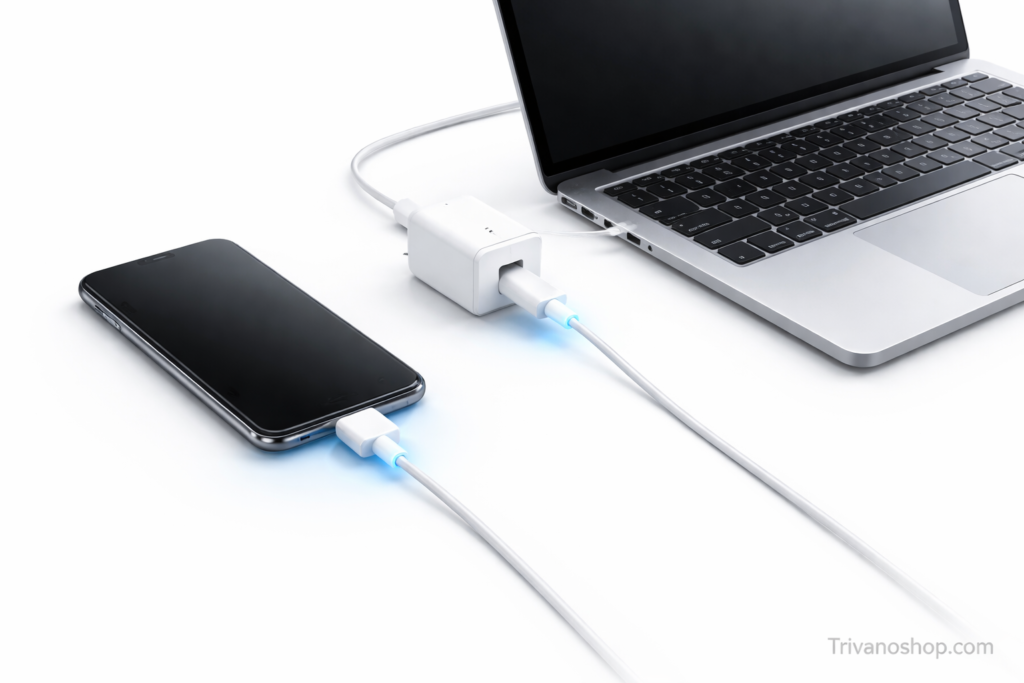
USB Power Delivery reduces the need for multiple chargers. One USB PD charger can power phones, tablets, and laptops, making it more convenient for users.
It also supports future technologies by providing a flexible and scalable charging solution.
Conclusion
USB Power Delivery is an important advancement in charging technology. It provides faster charging, improved safety, and greater compatibility across devices. Understanding USB PD helps users choose better chargers and cables while protecting their devices in the long term.