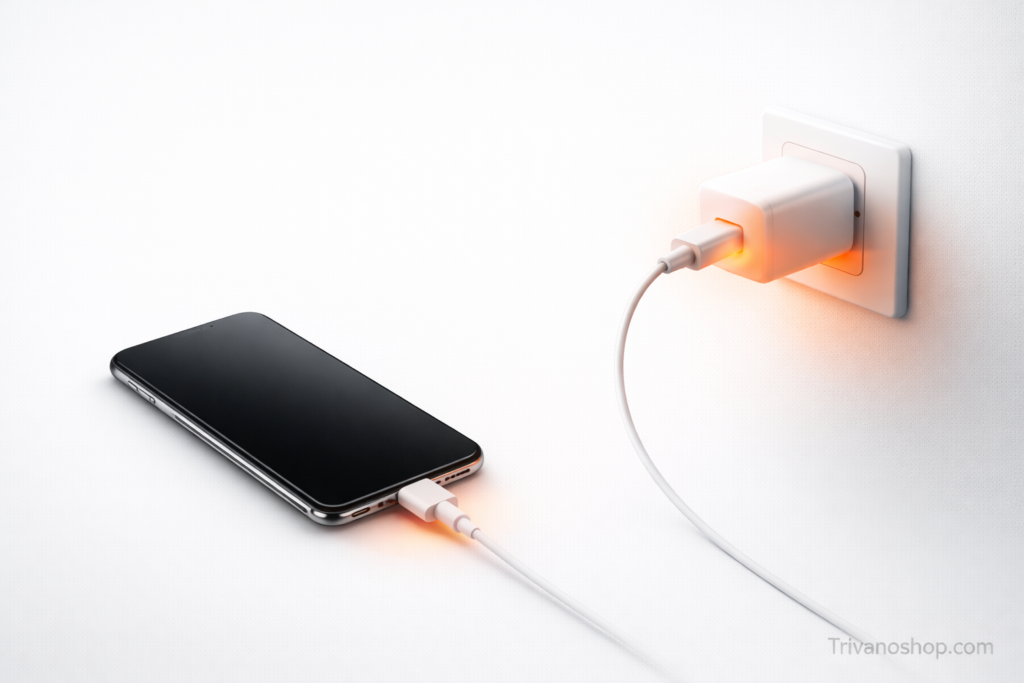
many smartphone users notice that their phone charger becomes warm or even hot while charging. This often raises concerns about safety, battery health, and potential damage to devices. While some heat is normal, excessive heat can indicate a problem.
Why Phone Chargers Get Hot
In this article, we explain why phone chargers get hot, how charging generates heat, and when heat becomes something to worry about.
Using a high-quality GaN charger can reduce heat issues. See our recommended high-efficiency GaN chargers.
How Phone Charging Works
Phone charging involves transferring electrical energy from a power source to a phone’s battery. During this process, electricity flows through the charger, cable, and internal components of the phone.
Whenever electricity flows through a circuit, some energy is lost as heat. This is a normal physical effect and cannot be completely avoided.
Electrical Resistance and Heat
Electrical resistance is one of the main reasons chargers generate heat. Resistance occurs when electrical current meets opposition as it flows through materials.
Low-quality chargers and cables often have higher resistance, which causes more energy to be converted into heat instead of useful power.
Fast Charging and Heat Generation
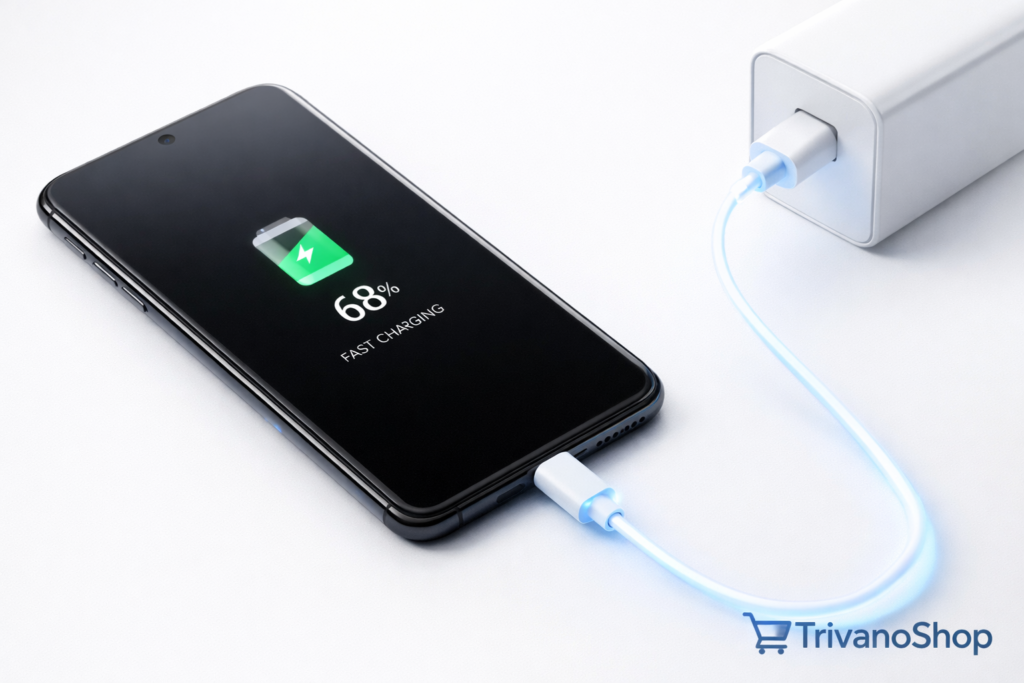
Fast charging technologies deliver higher power to charge batteries more quickly. While this is convenient, higher power levels naturally generate more heat.
Modern chargers are designed to manage this heat safely, but fast charging will usually feel warmer than standard charging.
The Importance of Charger Quality
Not all chargers are built the same. Certified and high-quality chargers use better components that reduce energy loss and manage heat more efficiently.
Cheap or counterfeit chargers may lack proper heat management, causing them to overheat during normal use.
How Charging Cables Affect Heat
Charging cables play a significant role in heat generation. Thin or damaged cables increase resistance, leading to more heat buildup.
Using cables designed for higher power delivery helps reduce heat and improves charging efficiency.
Phone Temperature and Environmental Factors
The phone itself also affects charging heat. Charging in hot environments, direct sunlight, or while using the phone intensively can increase overall temperature.
Phones automatically reduce charging speed when temperatures rise too high to protect the battery.
When Heat Becomes a Problem
Mild warmth during charging is normal. However, excessive heat, burning smells, or discoloration of the charger are warning signs.
In such cases, charging should be stopped immediately, and the charger should be replaced.
How Heat Affects Battery Health
Heat is one of the main factors that reduce battery lifespan. Repeated exposure to high temperatures accelerates battery aging.
This is why modern charging systems slow down charging at higher battery levels to limit heat exposure.
According to
Wikipedia
, high temperatures accelerate chemical reactions inside lithium-ion batteries, which can reduce their lifespan over time.
Tips to Reduce Charger Heat
To reduce charger heat, use certified chargers and cables, avoid charging in hot environments, and remove phone cases that trap heat.
Placing the charger on a hard, ventilated surface also helps dissipate heat more effectively.
Common Myths About Charger Heat
A common myth is that warm chargers are always dangerous. In reality, slight warmth is expected during normal charging.
Another myth is that charging overnight always causes overheating. Modern devices stop charging when the battery is full.
Conclusion
Phone chargers get hot because electrical energy naturally generates heat during charging. While some warmth is normal, excessive heat should not be ignored. Using quality chargers, proper cables, and safe charging habits helps protect both your charger and your phone battery over time.